
他出身江南小鎮,
經歷戰爭、革命、監獄與流亡,
卻始終守住一盞屬於自己的燈。在繪畫裡,他與千年山水對話;
在文字裡,他與古今諸君子周遊。人們說他是畫家,也是作家;
而他只是在黑暗中,
一筆一筆,把「做人」這件事寫清楚。He was born in a small canal town in southern China,
lived through war, revolution, prison, and exile,
yet kept a single light burning for himself.In painting, he conversed with a thousand years of landscape.
In prose, he walked among the great minds of East and West.People call him a painter, a writer, a cult figure.
He himself simply tried, stroke by stroke,
to write clearly what it means to be human in the dark.
北美木心讀者沙龍
木心生平
About Mu Xin
木心(1927–2011),本名孫璞,生於中國浙江烏鎮。
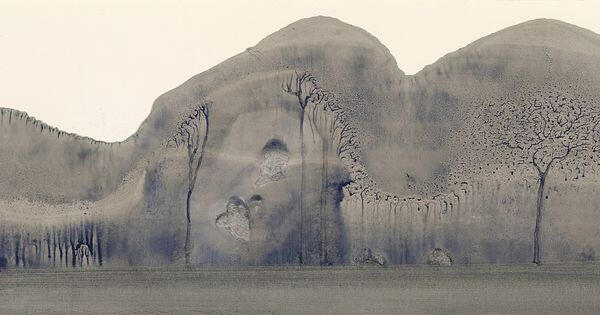
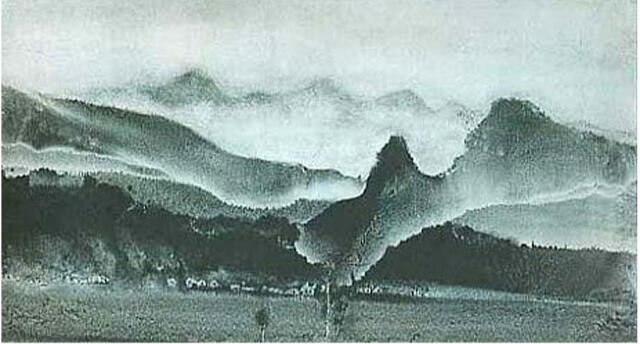
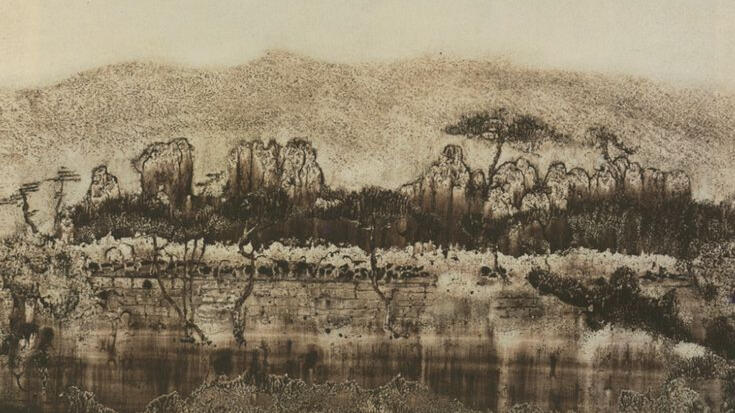
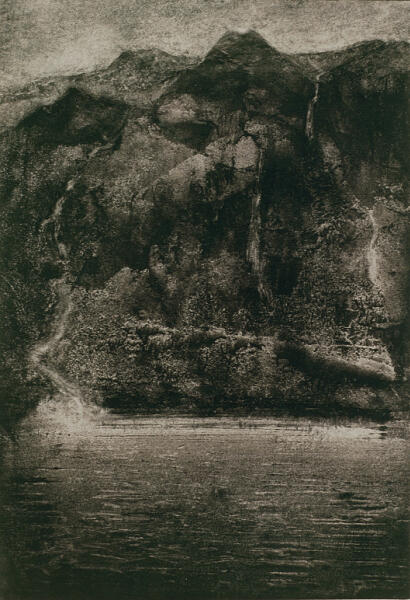
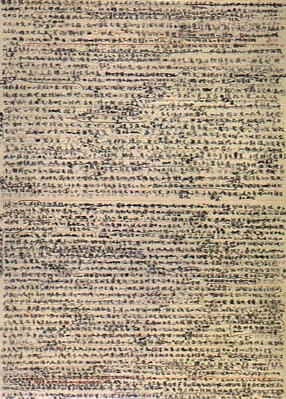
他是二十世紀極為獨特的一位「書寫時空的藝術家」:同時是畫家、作家、書法家,也是在東西方文化之間搭橋的人。自幼,他在作家茅盾家族的藏書樓裡,如同偷吃一座圖書館——從《左傳》、唐宋詩詞,到達文西、莎士比亞、托爾斯泰與現代主義小說。他是最後一代接受傳統士大夫教育的人之一,卻又深深浸潤於西方人文精神。1940–50 年代,他先後就讀於上海美術專科學校、杭州國立藝專,師從林風眠等現代藝術先驅。新中國成立後,他在上海任教、從事工藝設計,一邊暗中創作,大約二十部書稿卻在文化大革命初期被全部抄毀。1971 年,四十四歲的木心被打成「現行反革命」,關進上海的「人民監獄」。在潮濕陰暗的防空洞裡,他利用用來寫「自我檢討」的紙和墨,偷偷稀釋顏料,寫下了六十六頁密密麻麻的文字,後來被稱為《監獄筆記》。那些頁面,是他與但丁、羅梭、陀思妥耶夫斯基、瓦格納等人的「想像對話」,也是他在人間地獄中維持靈魂清醒的方式。他將這些紙縫進棉襖帶出監牢——這一舉動幾乎可算自救行為的極致。1979 年平反後,他短暫出任中國工藝美術學會祕書長。1982 年,他移居紐約,自我放逐,在皇后區的公寓裡,一邊畫畫,一邊重新拿起筆。從八十年代起,他在臺灣及海外華文世界陸續出版《素履之往》《從前慢》《雲雀叫了一整天》《一切是命運的安排》等散文與小說集,引發廣泛討論,在華人知識圈形成近乎「邪教式」的讀者群。繪畫方面,他在 1977–79 年被「軟禁」在家的時期,以煤油燈下的微光,創作出三十三幅著名的〈塔中之塔〉山水系列——使用水粉、墨、宣紙與某種「受控的偶然」技法,將中國山水筆墨、達文西式的朦朧空間、以及超現實主義的拓印肌理融為一體。這些作品在 2001–2003 年於耶魯大學美術館、芝加哥大學 Smart Museum、檀香山與紐約 Asia Society 巡迴展出,英語世界以 Landscape of Memory: The Art of Mu Xin 為名,首次認識這位曾被中國官方視為「異端」的藝術家。2006 年,木心應家鄉之邀返回烏鎮定居。對於為他設計的博物館,他只說了六個字:「風、水,和一座橋。」
這座以水泥方盒漂浮於水面的「木心美術館」,成為他生命與作品的象徵——在時代的斷裂與創傷之後,用一座橋重新連接傳統與現代、中國與世界、個體與歷史。2011 年,他在烏鎮去世。同年,英譯短篇集 An Empty Room 出版;此後,《文學回憶錄》根據他在紐約向中國藝術家講授世界文學的講稿整理問世,在兩岸三地獲得多項年度好書獎。今天,人們談起木心,很難用單一身份概括他。
他既延續了中國文人畫「以畫為無聲之詩」的傳統,又吸收文藝復興與現代主義的人文精神;
他的作品既是對千年山水傳統的悼念,也是對未來的一種悄然批判與希冀。對散落在世界各地的華語讀者而言,木心像是一位遲到的長輩——用極其安靜的方式提醒我們:
在任何體制與時代之下,仍有一種做人與創作的可能,叫做:不屈從,只思考;不高聲,只發光。
Mu Xin (1927–2011) was born Sun Pu in Wuzhen, a canal town in Zhejiang, China. He is one of the most singular writer-artists of twentieth-century China: a painter, prose stylist, calligrapher, and a bridge between Chinese literati culture and Western humanism.As a boy, he had access to the private library of his distant relative, the novelist Mao Dun. There, he devoured everything from classical Chinese history and poetry to Shakespeare, Tolstoy, Leonardo da Vinci, and modernist literature. He belonged to the last generation educated in the traditional Chinese literati way, yet he was equally shaped by Western art, music, and philosophy.In the late 1940s, Mu Xin studied at the Shanghai Institute of Fine Arts and later at the National Academy of Art in Hangzhou, under pioneering modern artists such as Lin Fengmian. After 1949, he taught in Shanghai and worked as a designer of arts and crafts. During those years he secretly wrote around twenty manuscripts, all of which were confiscated and destroyed at the beginning of the Cultural Revolution.In 1971, at the age of forty-four, he was accused of “counter-revolutionary” crimes and imprisoned in a Shanghai “people’s prison.” In a damp air-raid shelter, given paper and ink to write self-criticisms, he instead diluted the ink and filled sixty-six pages with tiny characters—imaginary dialogues with Dante, Rousseau, Dostoevsky, Wagner, and other figures he had internalized. These pages, later known as The Prison Notes, were his way of remaining mentally and morally alive in a place designed to crush both. He smuggled them out of prison sewn into his padded clothes.After his political rehabilitation in 1979, he briefly served as secretary general of the national association for arts and crafts. In 1982, he left China for New York, entering a self-chosen exile. In a small apartment in Queens, he painted by day and wrote by night. From the 1980s onward, his collections of fiction and prose—The Prospect of Autumn, An Empty Room, The World Shared, A Memorial to Misfortune, among others—were published in Taiwan and across the Chinese-speaking world, sparking debates on aesthetics, modernity, and memory. Among readers in the Chinese diaspora, he became a kind of literary cult figure.As a painter, Mu Xin is best known for the series Tower within a Tower, thirty-three small landscape works he created between 1977 and 1979 while under house arrest in China. Working by kerosene lamp, he used gouache, ink, and xuan paper in what he called a method of “controlled coincidence,” fusing classical Chinese landscape brushwork with the atmospheric depth of Leonardo and the textural accidents of Surrealist decalcomania. Exhibited in 2001–2003 at the Yale University Art Gallery, the Smart Museum of Art, Honolulu Academy of Arts, and Asia Society Museum under the title Landscape of Memory: The Art of Mu Xin, these works introduced English-speaking audiences to an artist long erased from official Chinese art history.In 2006, he returned to his hometown Wuzhen. When shown the design for a museum dedicated to his work, he simply said: “Wind, water, and a bridge.” The resulting Mu Xin Art Museum—rectangular concrete volumes floating on a lake—has since become a powerful metaphor for his life and work: a bridge between past and present, China and the world, personal trauma and a larger humanistic vision.Mu Xin died in Wuzhen in 2011. That same year, An Empty Room, the first English collection of his fiction, was published in the United States. In 2012, Literary Memoir, compiled from his lectures on world literature to Chinese artists in New York, received multiple book awards in Mainland China and Taiwan. More than thirty volumes of his poetry and prose continue to be reprinted on both sides of the Taiwan Strait.Today, Mu Xin eludes simple labels.
He extends the tradition of Chinese literati painting as “silent poetry,” yet also embodies Renaissance and modern humanism.
His work mourns a thousand-year landscape tradition even as it quietly critiques the violence of the twentieth century and gestures toward a different future.For Chinese readers scattered around the world, Mu Xin feels like an elder who arrived late but just in time—
a voice that reminds us, in a low register, that even under the harshest systems, there remains a way of being and making art that refuses to surrender:
not loud, but lucid;
not compliant, but still, stubbornly, full of light.
木心文學作品精選

1. 《文學回憶錄》 (13冊)木心在紐約為華人藝術家講授世界文學史的課程筆記,被譽為「個人的世界文學史」。內容涵蓋古希臘至二十世紀文學巨匠,是認識木心思想深度與廣度的最重要著作。
英文名稱: Literary Memoir

2. 《哥倫比亞的倒影》木心於1984年在台灣出版的第一本作品集,是他開始在海外華語文壇產生影響力的起點。書中散文風格清新、思辨,確立了他獨特的文學地位。
英文名稱: Inverted Reflection of Columbia
3. 《素履之往》簡介: 木心散文代表作之一。以簡約凝練的筆觸,對人生、藝術和道德進行了冷靜而深刻的哲學思考與審美判斷。
英文名稱: Plain Journey4. 《溫莎墓園日記》簡介: 充滿了木心式的幽默、孤傲與優雅。通過日記、隨筆等形式,展現對歷史、文化與生命的細膩觀察,充滿「貴族」般的超脫與沉思。
英文名稱: Diary of Windsor's Graveyard5. 《空房》簡介: 短篇故事集,風格簡約內斂,回憶了二十世紀中國的複雜歷史與人性的起伏。這是目前唯一擁有完整英文譯本的作品。
英文名稱: An Empty Room: Stories6. 《雲雀叫了一整天》簡介: 木心詩歌代表作之一。詩風融合古典意境與現代意識,清麗、克制而又情意深沉,體現了其「詩意的非邊界性」。
英文名稱: The Skylark Called All Day7. 《瓊美卡隨想錄》簡介: 隨筆集。收錄了他對藝術、生活、情感的靈光一現和即興判斷,文字自由、富於彈性。
英文名稱: Jamaican Rhapsody8. 《即興判斷》簡介: 智慧箴言與短文的集合。是木心哲學觀點的高度濃縮,每一條語錄都充滿思辨性與對世俗的超脫。
英文名稱: Impromptu Judgment9. 《西班牙三棵樹》簡介: 散文集。通過對西班牙文化、藝術的描寫與思考,展現了木心對西方文明的深刻理解。
英文名稱: Three Trees of Spain10. 《魚麗之宴》簡介: 散文集。書中多討論生活美學、飲食、藝術鑑賞,展現了木心對生命的熱愛與精緻的審美情趣。
英文名稱: Feast of Yuli11. 《竹秀》簡介: 木心在台灣出版的詩歌集之一,展現其早期的詩歌風貌,清麗幽遠。
英文名稱: Bamboo Elegance
If you need help with Carrd, check out my Carrd tutorials on YouTube.
木心繪畫
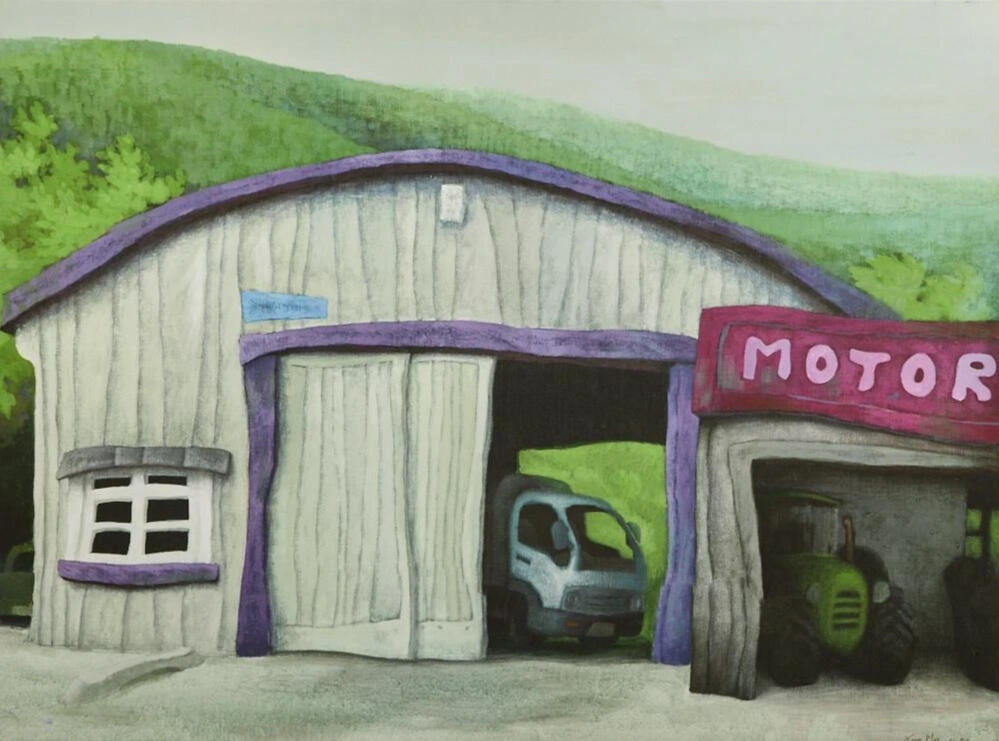
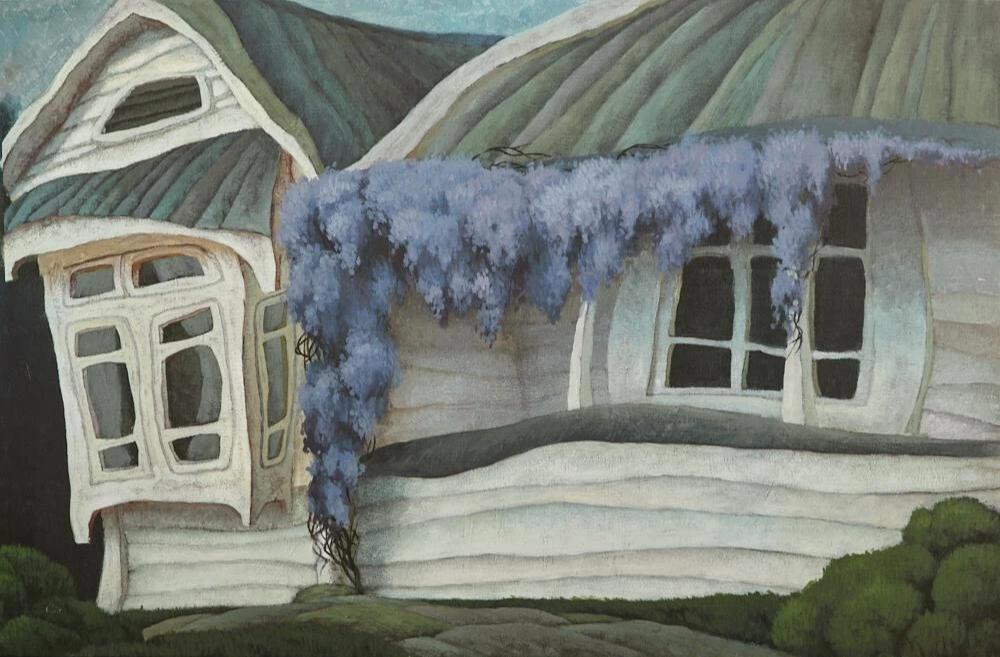
A selection of Mu Xin's paintingsView more MUXIN's paintings.
木心美術館
Mu Xin Art Museum

木心美術館矗立於藝術家木心(1927–2011)的故鄉——浙江烏鎮。這座美術館不僅是藝術作品的殿堂,更是木心「風、水、一座橋」精神意境的具體實現。美術館由享譽國際的貝聿銘弟子創辦的美國 OLI 建築事務所主持設計。建築風格極簡、洗鍊,宛如一系列素淨的矩形盒子,靜謐地跨越元寶湖水面。這座當代主義的橋樑,將古老的烏鎮與木心自由、前衛的藝術精神連接起來,體現了木心文化無邊界的信念。館內設有五個常設展廳,完整地展示了木心橫跨繪畫與文學的畢生遺產。其中最具精神震撼力的,莫過於「獄中手稿館」,珍藏著木心在囚禁時期冒死寫下的《獄中筆記》。此外,還有繪畫館、文學館等,系統地呈現了他獨特的中西合璧畫作,以及豐富的文學作品。美術館另設有特展館,每年策劃與木心精神相關的重量級藝術家特展,確保這座橋樑始終朝向未來,充滿活力。木心美術館,是獻給這位不屈的「非意識形態個體主義者」的最高致敬。The Mu Xin Art Museum: Wind, Water, and a Bridge
The Mu Xin Art Museum is located in the artist’s hometown of Wuzhen, China, serving as a dedicated monument to the lifelong artistic and literary legacy of Mu Xin (1927–2011). It embodies the artist’s self-described aesthetic philosophy: “Wind, water, and a bridge.”Designed by the internationally acclaimed OLI Architecture PLLC (founded by protégés of I.M. Pei), the museum is a masterpiece of minimalist modernism. Its concrete structure—a series of sleek, rectangular boxes—extends over the Yuanbao Lake, integrating seamlessly yet strikingly with the surrounding historic water town. The architecture itself functions as a contemporary bridge, connecting ancient Wuzhen with Mu Xin’s avant-garde and liberated spirit.The museum features five permanent galleries dedicated to Mu Xin’s expansive oeuvre. The collection includes his unique, cross-cultural paintings, an extensive display of his literary manuscripts, and, most powerfully, the "Prison Notes" gallery, which enshrines the manuscripts secretly written during his imprisonment. Beyond the permanent collection, the museum hosts a dedicated gallery for annual special exhibitions, showcasing world-class artists relevant to Mu Xin’s artistic and humanistic ideals.The Mu Xin Art Museum stands as a vital cultural landmark, offering a profound journey into the mind of an unbowed artist and celebrating the enduring spirit of non-ideological individualism.
Therapist Alex
Carrd Website Template for Therapists and other similar professions.
Requires a Pro Carrd account.
Free Templates
100% free Carrd templates to use for your next project.
LAUNCHfyi
The most meta of Carrd templates.
Clone the master!
Please note this template may be out of date compared to the site version. If any features are missing that you need, please get in touch.
Personal
A quick & simple Personal website template.
The Rest Well Boutique Hotel
Full-width Boutique Hotel template
Inspiration.
Here are some of my most recent site builds, made with various platforms including -Carrd, Shopify, Wix and Wordpress.
Ross Priory
A delightful one pager for guest rooms in Ramsgate.
OVI London
A punchy black & white site for fitted furniture designers OVI London.
With Bricks
A simple one page site built with Wix for With Bricks - a home building company based in London.